Sacred Earth
Explore the places, patterns and possibilities that have led people to experience the Earth as more than landscape.
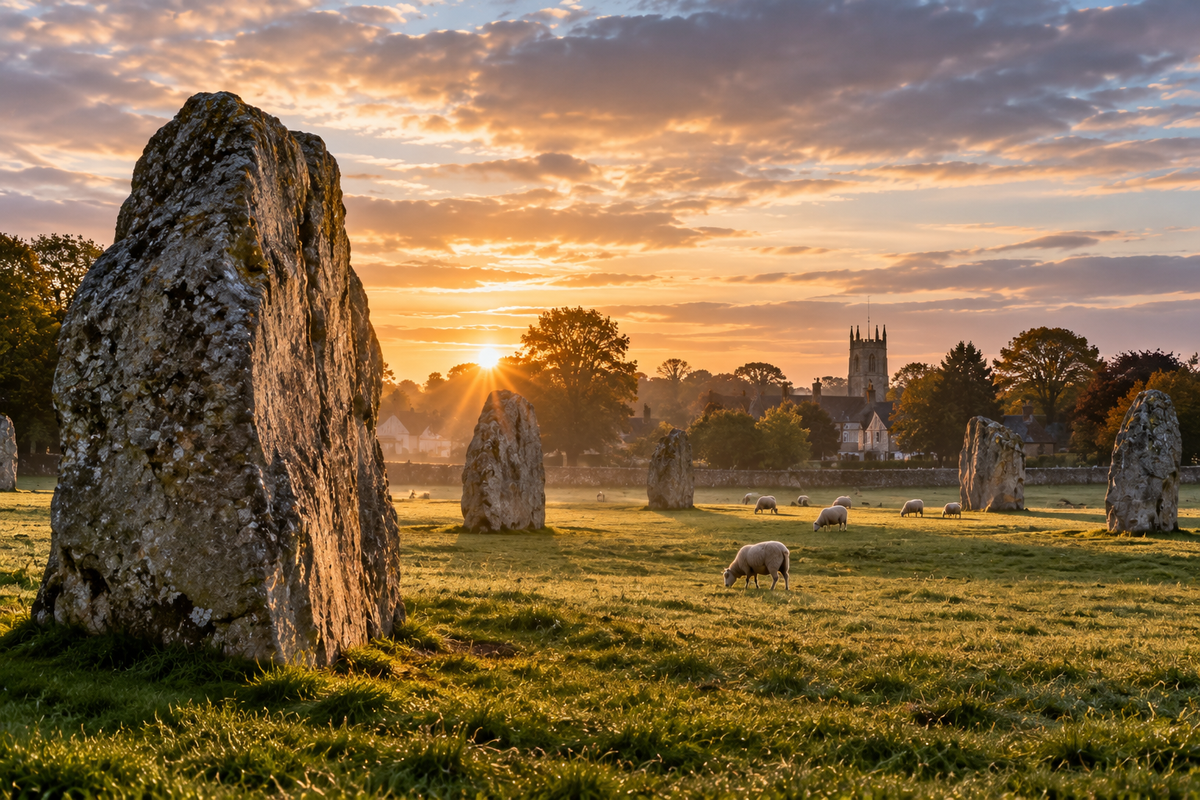
For as long as people have made meaning from landscape, certain places have seemed different.
A spring becomes holy. A mountain becomes the home of gods. Stones are raised in patterns across the land. Roads, temples and sacred sites appear to connect. Some people speak of ley lines, nodes and vortexes. Others talk about pilgrimage, geology, memory, ritual or simply the unmistakable feeling that a place has presence.
Sacred Earth explores that territory.
Not by assuming every old story is literally true, and not by dismissing experiences simply because they are difficult to measure. We are interested in the space between landscape, history, human consciousness and the possibility that place may carry qualities we do not yet fully understand.
Explore Sacred Earth
Ley Lines
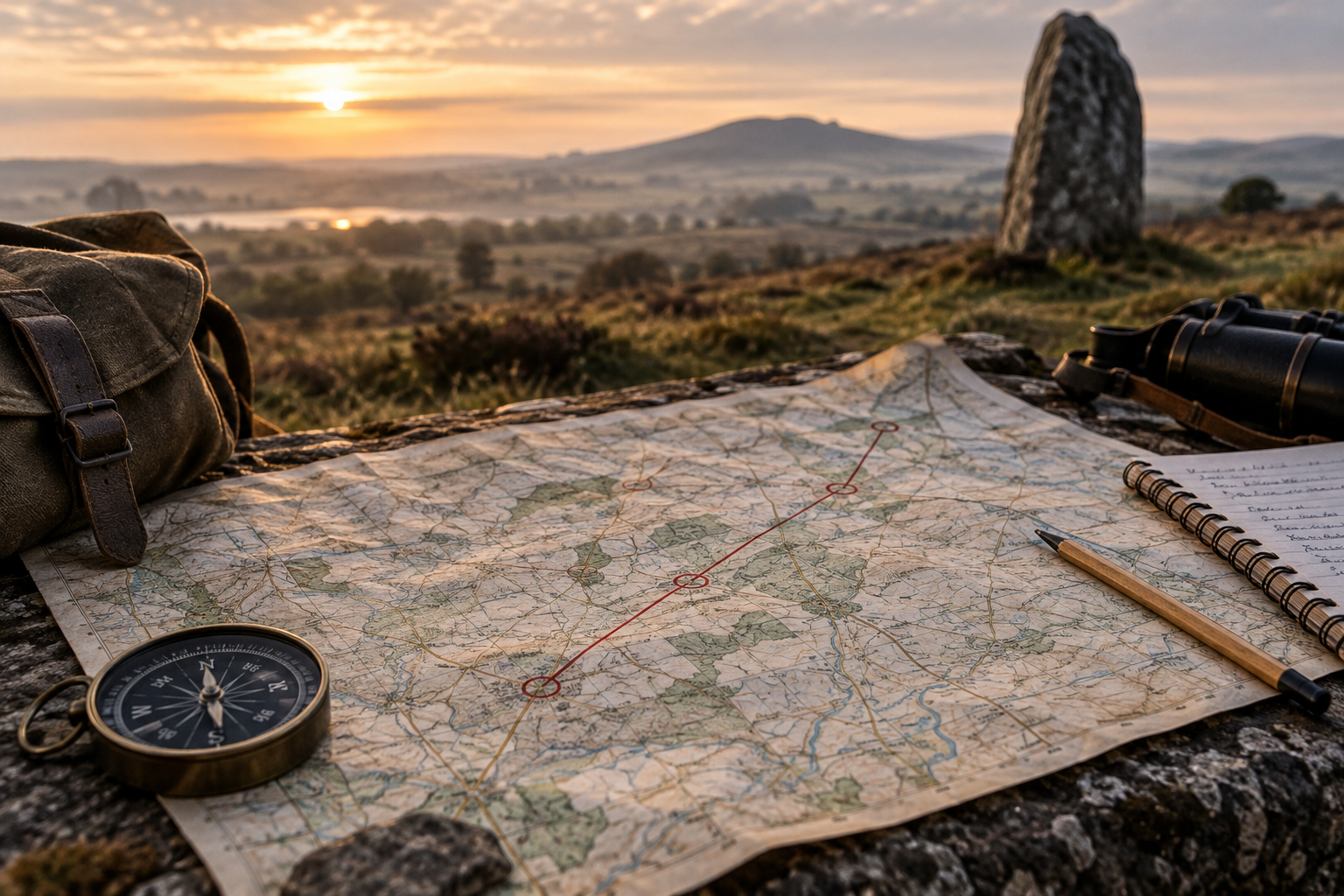
Ley lines began as Alfred Watkins' theory of ancient landscape alignments and later evolved into something much bigger: the idea that sacred places may form part of a connected network across the Earth.
Explore the history, maps, theories and practical ways people investigate them.
Sacred Places
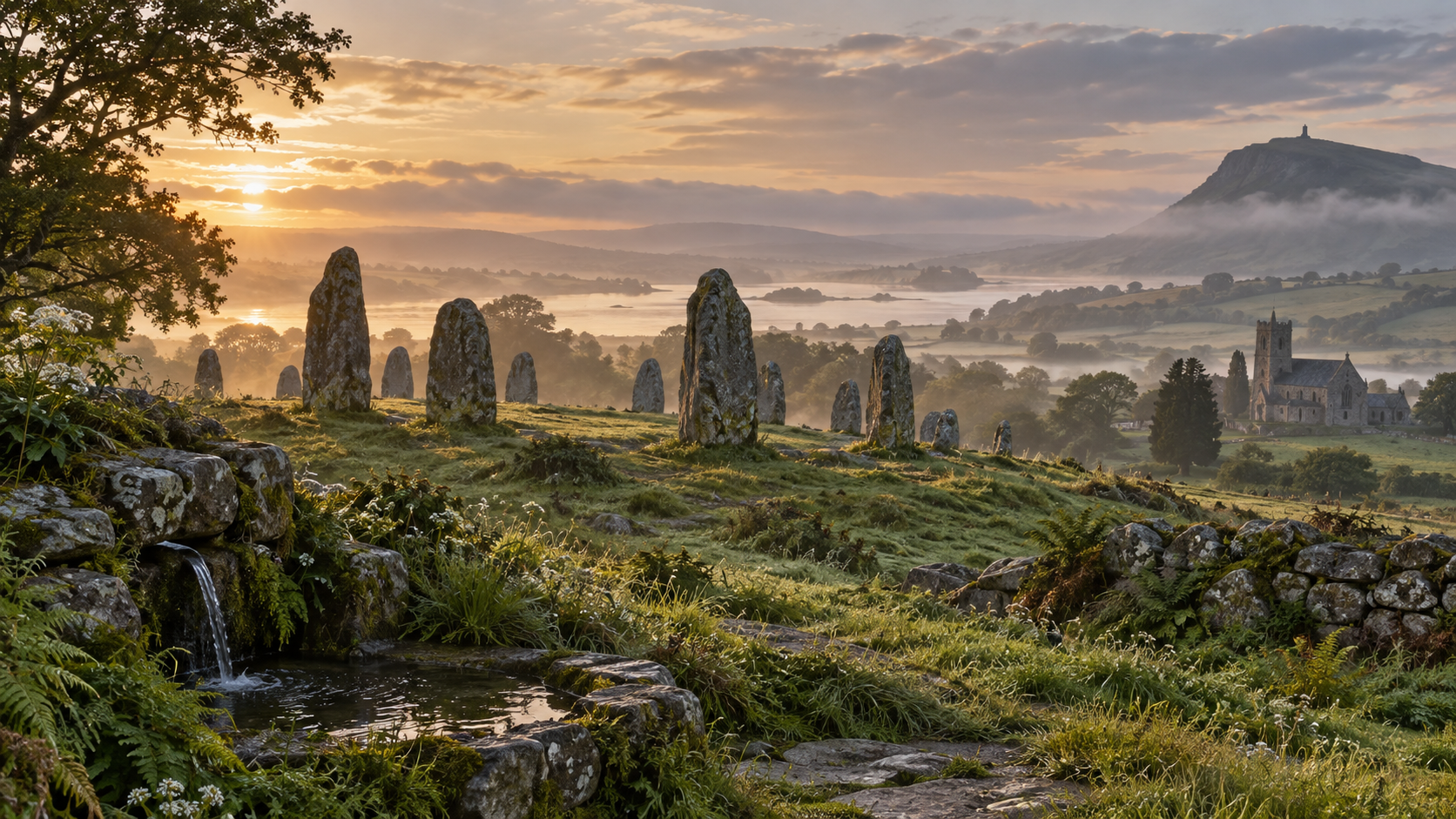
Stone circles. Holy wells. Mountains. Islands. Ancient temples. Cathedrals. Places that have accumulated story, ritual and human attention over hundreds or thousands of years.
Our Sacred Places collection looks at what is known, what has been believed, what people experience there and why certain landscapes continue to call people back.
Earth's Hidden Grid
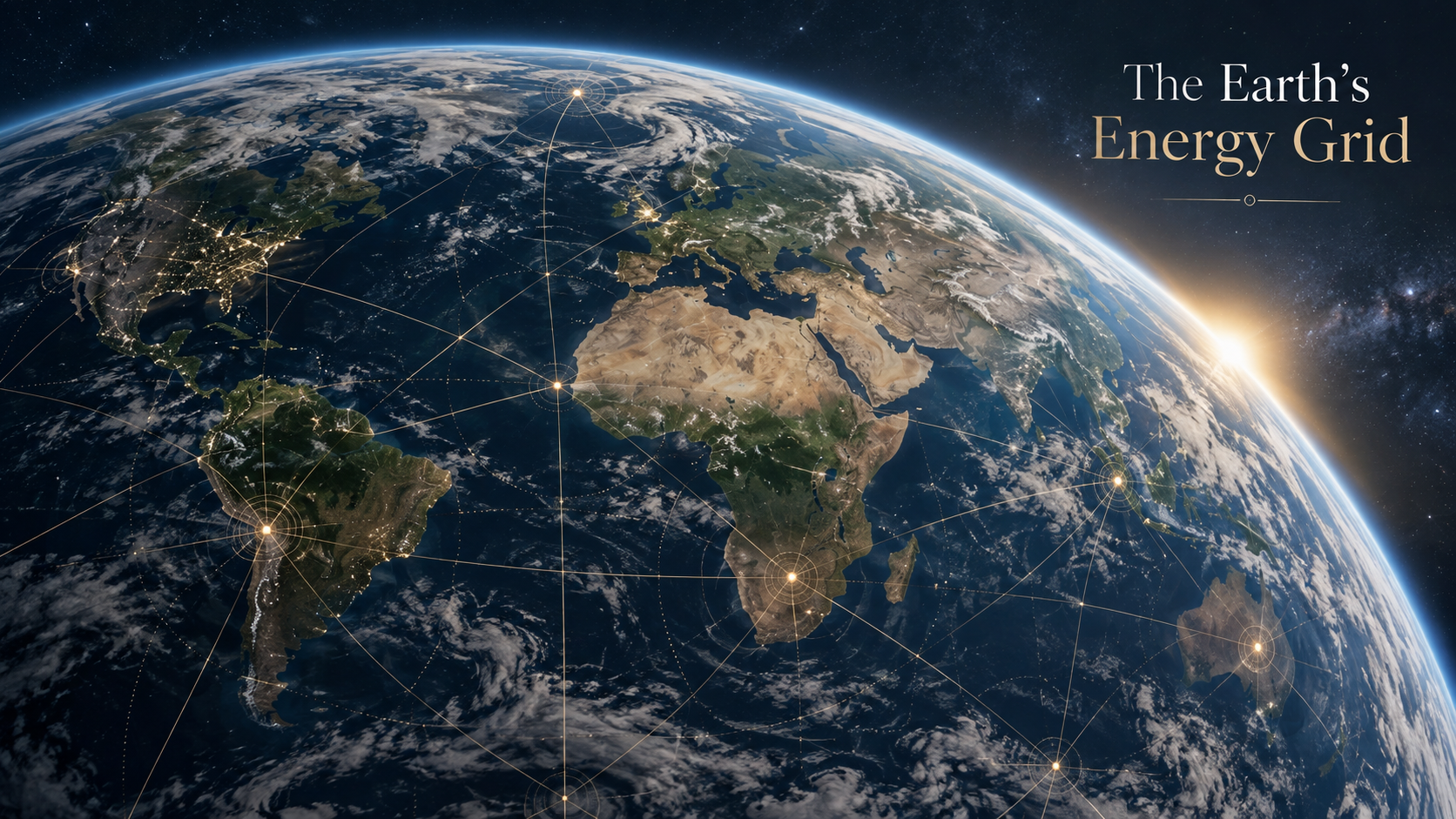
If ley lines are individual pathways, Earth-grid theories imagine something larger: a planetary network of lines, nodes and significant locations.
Some models are geometric. Some come from dowsing or spiritual traditions. Others draw inspiration from real geological and magnetic structures.
No single Earth grid has been demonstrated as an objective physical system, but the idea raises a fascinating question: what happens when we stop looking at sacred places individually and start looking for relationships between them?
Explore the Earth's Energy Grid →
Nodes, Vortexes & Power Places
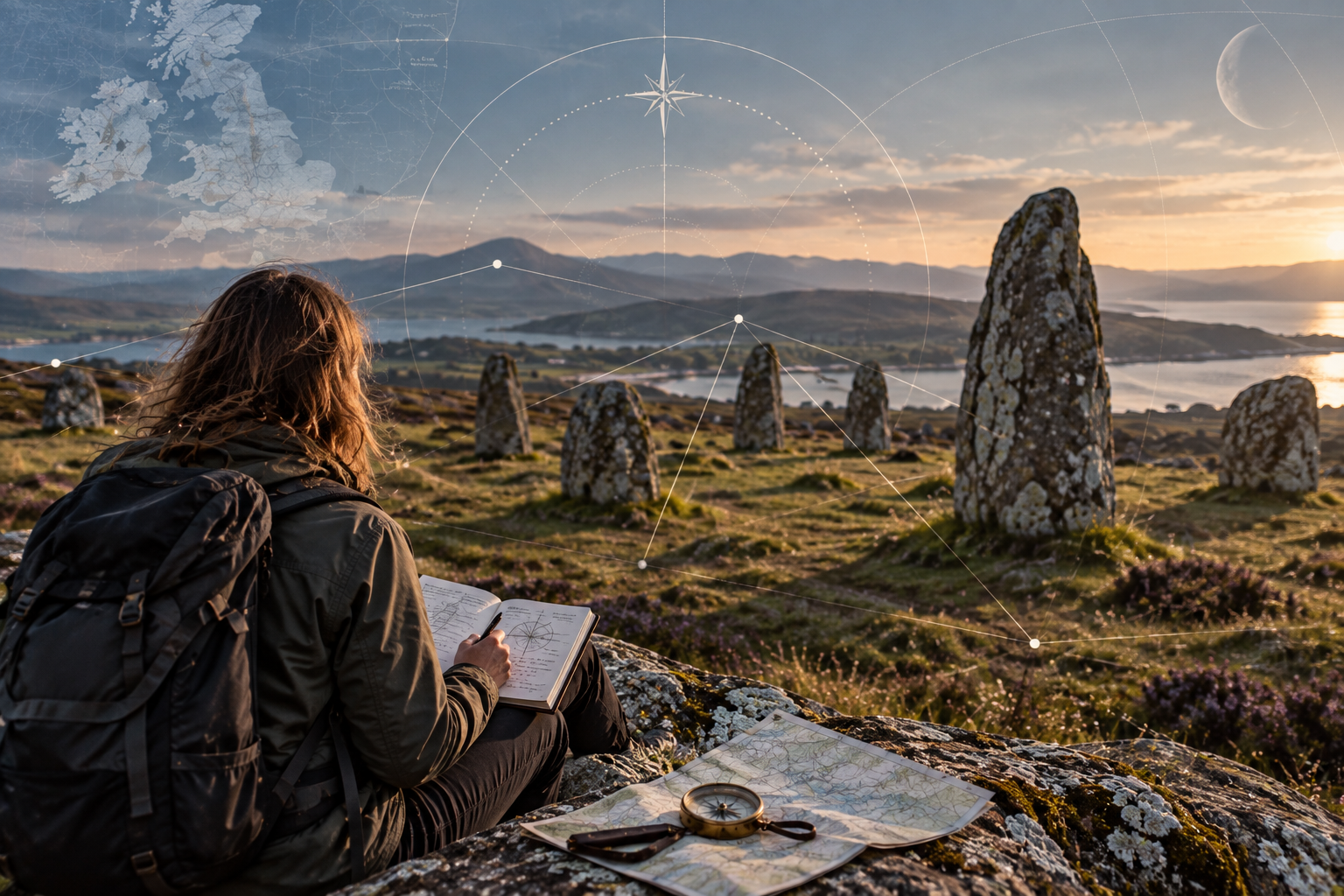
Not every sacred place is described as part of a line.
Some are understood as nodes, places where influences seem to gather. Others are called vortexes, associated with movement, intensity or altered experience.
Landscape, water, geology, history, ritual and expectation can all contribute to how a place is experienced. Whether there is something more remains one of the questions we keep open.
How to Recognise an Energy Node →
Water and sacred landscape
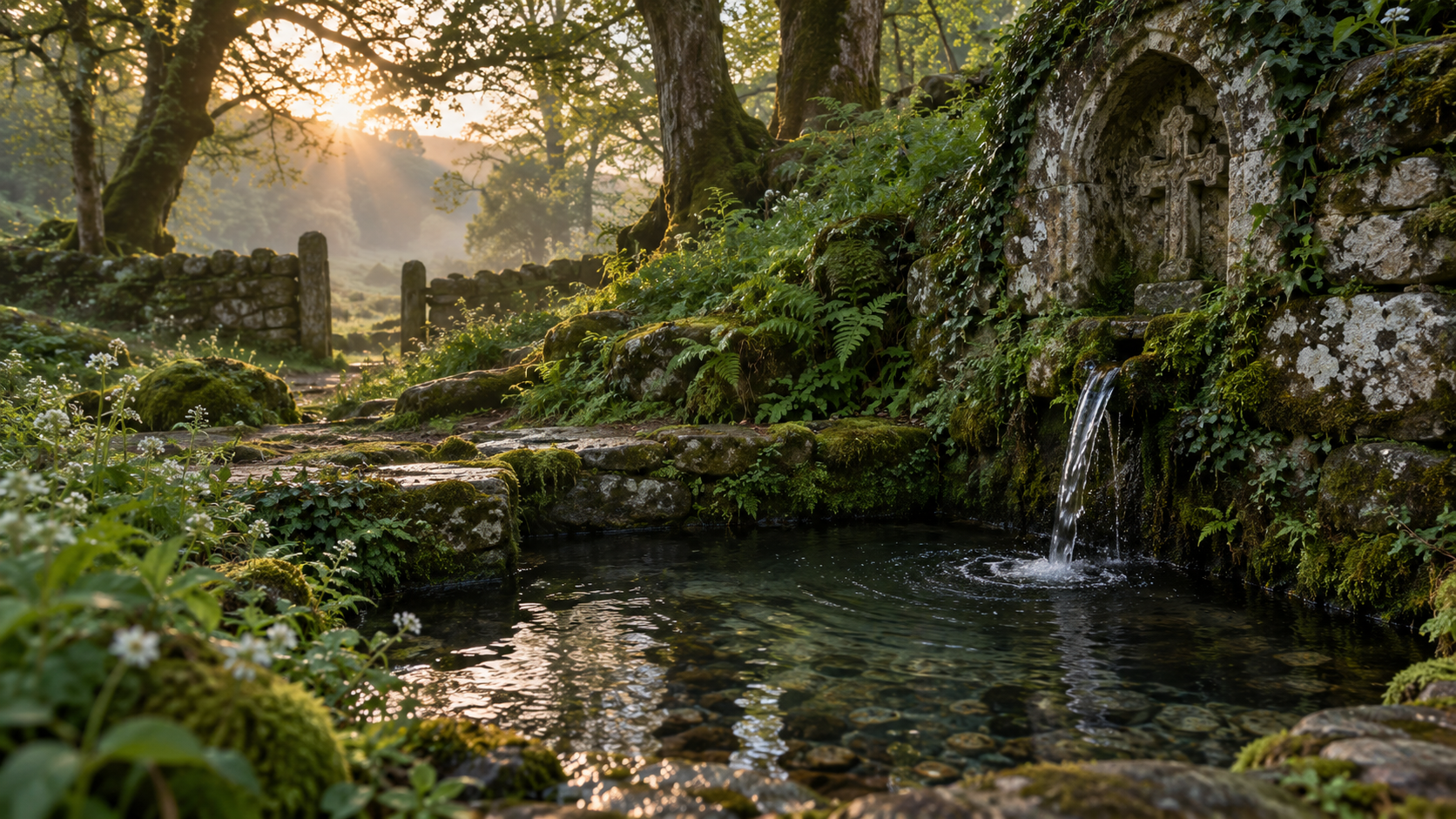
Springs, wells, rivers and underground water appear again and again around sacred sites.
Sometimes the reason is practical. Water sustains settlement. Sometimes the water itself becomes the focus of pilgrimage, healing tradition or mythology. And in Earth-energy traditions, underground water is often believed to affect the character of a place.
Places such as Chalice Well, Chartres and countless holy wells show how quickly geology, necessity and sacred meaning can become intertwined.
Explore Water, Ley Lines and Sacred Landscape →
Start here
If you are new to Sacred Earth, these are the strongest places to begin.
What are ley lines?
Where the idea came from, what Alfred Watkins actually proposed and how the concept evolved into modern Earth-energy traditions.
How do you find a ley line?
A practical look at maps, alignments, old routes, sacred sites and the different methods people use to investigate landscape patterns.
Read: How to Find Ley Lines Near You →
Does the Earth have an energy grid?
Explore planetary-grid theories, nodes, geometry and the search for a network connecting significant places.
Read: The Earth's Energy Grid →
Why do some places feel powerful?
A framework for looking at landscape, water, geology, history, ritual, story and personal experience without forcing everything into a single explanation.
Read: How to Recognise an Energy Node →
Places worth knowing
Some locations reveal the Sacred Earth idea particularly clearly.
Avebury →
A vast prehistoric landscape of stones, avenues, burial places and modern Earth-energy traditions.
Glastonbury Tor →
A hill layered with archaeology, Arthurian legend, sacred springs and modern ley-line traditions.
Chalice Well & the White Spring →
Two contrasting springs beneath Glastonbury Tor and centuries of symbolism around sacred water.
Sedona →
One of the world's best-known modern vortex landscapes.
Chartres Cathedral →
Architecture, labyrinth, ancient water, pilgrimage and the accumulated meaning of sacred space.
Tintagel →
A threshold landscape where cliffs, Arthurian myth and sacred geography meet.
Iona →
An island shaped by more than fourteen centuries of prayer, memory and the idea of the thin place.
Working with sacred landscape
Sacred Earth is not only about theories.
It is also about how we encounter place.
Earth gridwork, dowsing, mapping, observation, ritual and simple attention are all ways people have tried to understand their relationship with landscape.
The useful approach is neither automatic belief nor automatic dismissal. Pay attention. Research the history. Notice the physical landscape. Record what happens. Compare experience with expectation.
Earth Gridwork: A Practical Guide →
The questions we are exploring
Sacred Earth is built around questions rather than a single belief system.
- Can places accumulate meaning through centuries of human attention?
- Are some landscapes unusually effective at altering consciousness?
- Do ancient alignments reveal deliberate systems of movement and sacred geography?
- Are ley lines only patterns created by the human mind, or could some reflect relationships we do not yet fully understand?
- Why do water, high places, caves, islands and boundaries appear so frequently in sacred traditions?
- And why do certain places keep drawing people back long after the cultures that first made them sacred have disappeared?
We do not expect every question to have a neat answer. That is part of the point.
Coming next
Sacred Earth is expanding.
Future work will include deeper explorations of ley lines across Britain, America and Australia, a dedicated ley-line maps and resources collection, more on Alfred Watkins, and further investigations into sacred landscapes around the world.
We are also building our own maps, field guides and books for people who want to explore these places for themselves.